Building a Multi-State Point Portfolio on a Budget
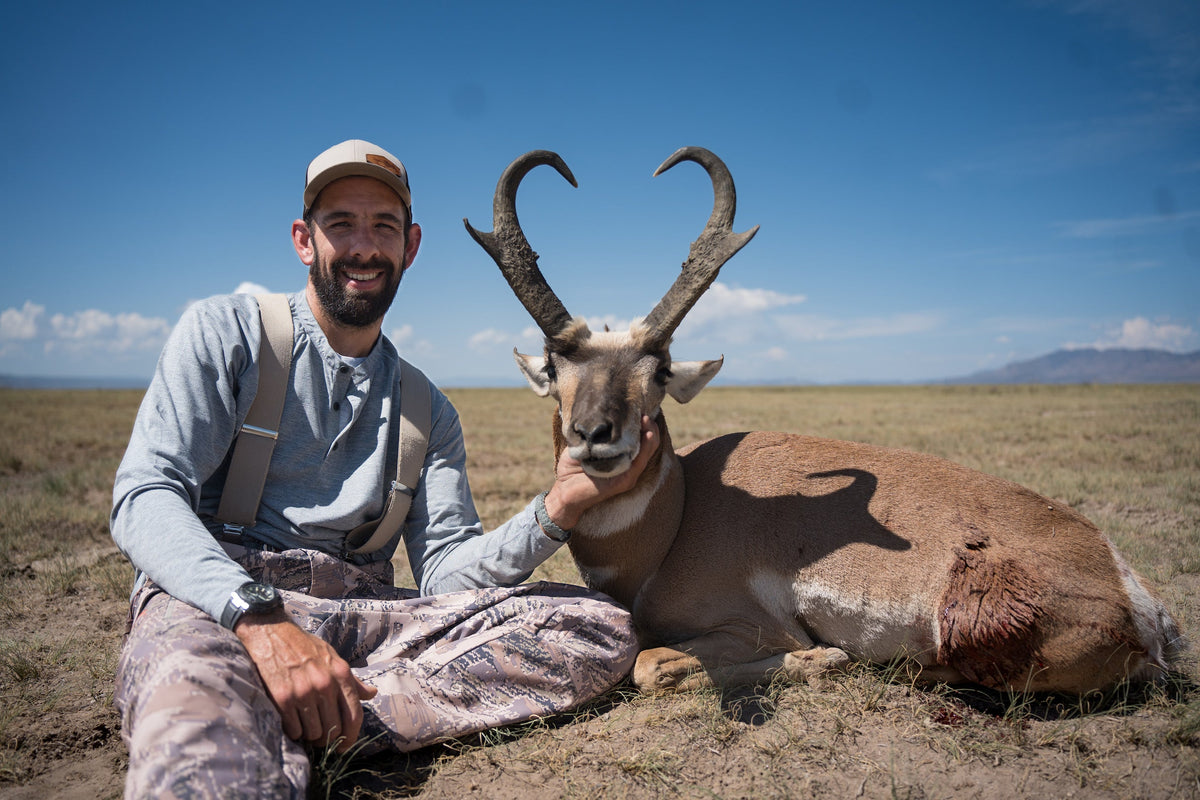
Ask a hunter who gets out west every year how they do it, and you’ll rarely hear “I just apply in Colorado.” Most of them apply in several states, for several species, with a plan for this year and the next ten.
That’s a point portfolio. Like a financial portfolio, it spreads your bets. Some applications are steady investments that pay off over time. Some are lottery tickets. And some are there just to make sure you’re hunting this fall.
The catch is cost. Point fees, application fees and required licenses add up fast, and it’s easy to spend hundreds of dollars a year without a clear plan. This guide shows you how to build a portfolio that fits your budget, so every dollar you spend moves you closer to a tag. New to how draws work? Start with our Complete Guide to Western Draw Systems.
The three buckets of a point portfolio
A good portfolio sorts every application into one of three buckets. Each one has a different job.
Bucket 1: Hunt now
These are tags you can get this year or next. They keep you in the field, build your skills and make the whole plan worth it while your points grow.
Good options include over-the-counter or general tags, low-point units in preference states, second-choice draws, leftover tags and guided hunts that don’t depend on the draw. For many hunters, a low-point Colorado elk unit or an OTC hunt fills this bucket.
Bucket 2: Build points
These are the states where your goal hunts live. You buy points every year, without skipping, and plan to use them on a specific hunt in three to ten years.
Preference and bonus point states belong here. Pick one or two to start. Wyoming and Colorado are common choices for elk, deer and pronghorn because their point systems are predictable.
Bucket 3: Long shots
These are the applications that probably won’t draw, but could change your life if they do. They cost little and give you a chance every year.
Random draw states like New Mexico and Idaho fill this bucket well, since there are no points to build and nobody is ahead of you. Bonus point states where you apply for top units, like Arizona, Nevada or Montana, fit here too. So do once-in-a-lifetime species like sheep, moose and mountain goat.
A balanced portfolio has something in every bucket. If you only build points, you could go years without hunting. If you only chase hunt-now tags, you may never draw a great unit.

Fill your hunt-now bucket today
Our guided hunts get you in the field this season while your points keep building.
Know what it costs before you start
Before you pick states, understand the four kinds of costs you’ll run into. Every state mixes them differently.
- Point fees. What you pay to buy a point without applying for a hunt, or the fee charged when you apply and don’t draw. These usually run from a few dollars to around a hundred per species, depending on the state.
- Application fees. A small fee charged for each application you submit, whether you draw or not.
- Required licenses. Some states require nonresidents to buy a hunting license, a qualifying license or a habitat stamp before they can apply or buy points. This is often the biggest yearly cost, and it’s easy to forget.
- Up-front tag fees. Some states charge the full price of the tag when you apply and refund it if you don’t draw. Nonresident elk tags can cost several hundred dollars or more, so you need that money available in the spring even if you get it back later.
When you add it all up, a single state can cost you anywhere from about fifty dollars to a few hundred dollars a year just to stay in the game, before you ever buy a tag. Fees change often, so check each state’s current fee schedule and write down your real total.
A simple rule: decide your yearly budget first, then choose states to fit it. It’s better to build points steadily in two states than to spread too thin across six and drop half of them in a tight year.
Choosing states by species
Start with what you most want to hunt, then pick the states that give you the best path to it. Here’s a starting point for the most popular western species:
| Species | Good point-building states | Good long-shot states | Hunt-now options |
|---|---|---|---|
| Elk | Wyoming, Colorado | New Mexico, Arizona, Utah, Nevada, Montana | Low-point Colorado units, OTC or general options, leftover tags, guided hunts |
| Mule deer | Wyoming, Colorado | Nevada, Utah, Arizona, New Mexico, Idaho | Low-point units, general deer seasons, guided hunts |
| Pronghorn | Wyoming, Colorado | New Mexico, Arizona, Nevada | Low-point Wyoming and Colorado units, leftover tags |
| Sheep, moose and goat | Your state of choice, every year | Every state you can afford | Rarely available; these are long-term goals |
A few tips for narrowing it down:
- Focus on one or two species at first. Building points for elk, deer and pronghorn in five states gets expensive quickly.
- Think about travel. A state you can drive to cuts the cost of every trip, which leaves more money for points and tags.
- Check whether you need a license to apply. A state with a costly required license may only make sense if you’ll use points there for several species.
- Verify the current rules. States change draw rules, nonresident allocations and point systems often. Always check before you commit.
Sample plans at three budget levels
Here are three example portfolios for an elk-focused nonresident hunter. Use them as a starting point and adjust for your species, home state and current fees.
The starter plan: 2 to 3 states
This plan is for hunters who want to get out west soon without a big yearly commitment.
- Hunt now: Hunt a low-point or OTC elk option in Colorado this fall, or use your first points on a unit that draws quickly.
- Build points: Buy a Colorado elk point in any year you don’t hunt there.
- Long shots: Apply in New Mexico for elk every year.
This plan keeps costs low and puts you on a western hunt within a year or two.
The builder plan: 4 to 5 states
This plan is for hunters who want a yearly hunt plus a great tag within five to ten years.
- Hunt now: A low-point Colorado unit, a general or OTC option, leftover tags or a guided hunt.
- Build points: Wyoming elk and Colorado elk every year. Add Wyoming pronghorn or deer if your budget allows.
- Long shots: New Mexico and Idaho controlled hunts, plus Arizona elk for bonus points.
This is the most common plan for serious western hunters. It gives you something to hunt every year and a real path to a premium tag.
The all-in plan: 6 or more states
This plan is for hunters who are building toward multiple trophy hunts and once-in-a-lifetime species.
- Hunt now: Everything in the builder plan, plus leftover and second-choice tags across several states.
- Build points: Wyoming and Colorado for elk, deer and pronghorn, plus Utah, Nevada or Montana for the top-tier hunts.
- Long shots: Every random state, plus sheep, moose and goat in every state you can afford.
This plan costs the most each year, mostly because of required licenses. It only makes sense if you plan to hunt those states for decades.
Want a plan built for you?
Hunt the West members get a custom multi-state plan that fits their budget and goals, and we submit every application for you.

Running your plan through the year
A portfolio only works if you keep up with it. Here’s how the year usually flows:
- December and January: plan and budget. Review last year’s results, set this year’s budget and decide which states and species you’ll apply for.
- Late January: first deadlines. Wyoming’s nonresident elk deadline is one of the earliest in the West.
- February through April: main application season. Arizona, New Mexico, Montana, Colorado and Utah deadlines fall in this window in most years.
- May and June: later deadlines and first results. Nevada, Oregon, Washington and Idaho applications close, and results start coming out in several states.
- June through August: second chances. Secondary draws, leftover lists and reissued tags give you another shot at a fall hunt.
- Fall: hunt, then review. Note what worked and update your plan before the cycle starts again.
Exact dates change every year, so put each state’s deadline on your calendar as soon as it’s announced.
Stay organized
Keep one simple spreadsheet for your whole portfolio. Include a row for each state and species with these columns:
- Your current points
- The deadline and whether you’ve applied
- What you applied for, including first and second choices
- Your hunter ID or customer number for that state
- Fees paid and any refunds expected
- The draw result
If you apply with friends or family, add a column for your group and make sure everyone applies the same way. Some states average group members’ points, which can lower your odds if one person has far fewer points than the rest.
When to cash in your points
Points are only worth something when you use them. Here are signs it’s time to apply for a real hunt:
- You can draw a unit you’d be happy to hunt. It doesn’t have to be the best unit in the state.
- Your target unit is creeping away from you. If the points needed are rising as fast as you earn them, you may never catch up. Our guide to point creep shows you how to do the math.
- Your life is lined up for it. Time off, fitness, a hunting partner and the budget for the trip matter as much as the tag.
- The rules may change. States sometimes change point systems or nonresident allocations, which can change the value of the points you’ve built.
After you use your points in a preference state, you usually start back at zero for that species. Plan your next cycle right away so your portfolio keeps working.
Build your plan before the first deadline
A good point portfolio doesn’t need to be expensive. Pick a hunt-now option, one or two states to build points and a few long shots, and stick with it every year.
Let’s build your portfolio
Join the membership and we’ll build your plan and submit your applications. Want to hunt this year? Browse our guided hunts. Questions? Reach out anytime.