
The Complete Guide to Western Draw Systems: Preference, Bonus and Random Explained
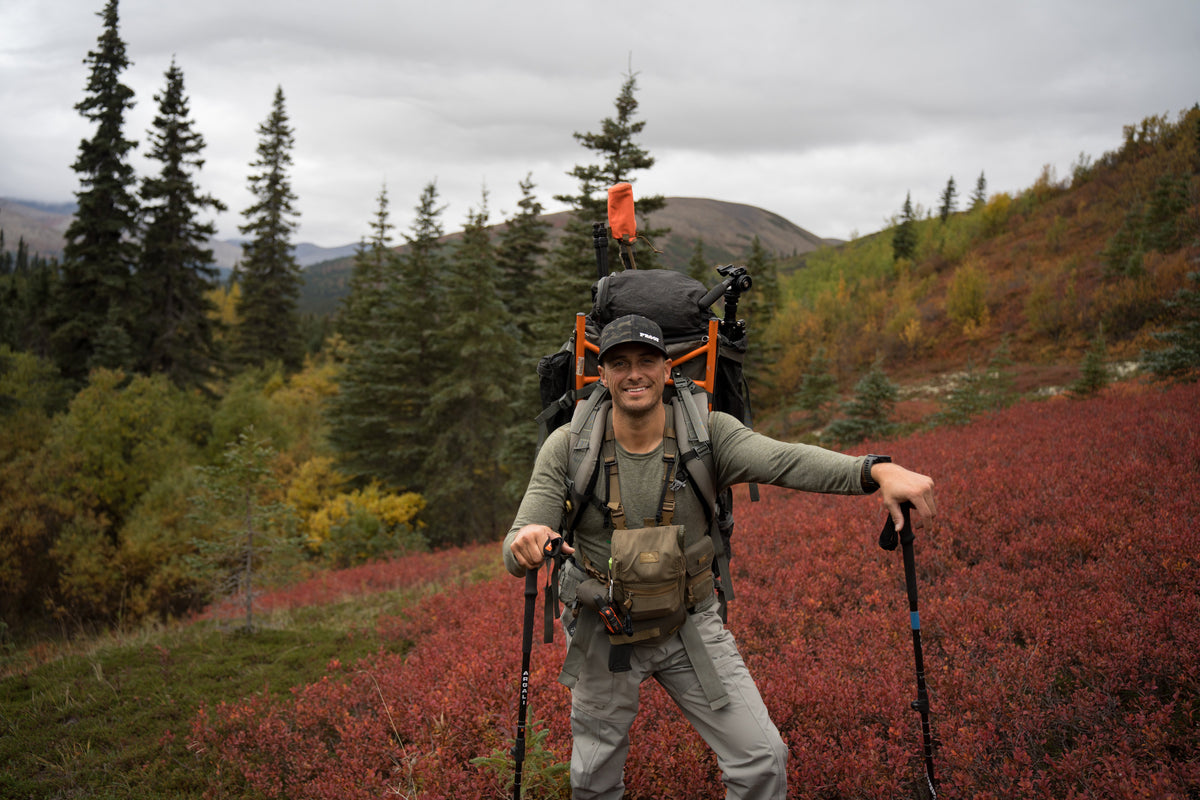
If you want to hunt elk, mule deer, pronghorn or sheep out west, you first have to understand the draw. Most of the best tags in states like Colorado, Wyoming, Arizona and Utah aren’t sold over the counter. They’re handed out through a lottery, and every state runs its lottery a little differently.
That’s why so many first-time western hunters feel lost. One state rewards patience, another rewards luck, and a few mix both. Pick the wrong strategy and you can spend years and hundreds of dollars without drawing a tag you actually want.
This guide breaks it all down in plain English. You’ll learn the four main types of draw systems, how the major western states use them, what point creep means for your odds, and how to build a plan that puts you in the field this fall while you build toward a great hunt later.
Why western states use draws
Western game herds are managed unit by unit. Biologists set a number of tags for each hunt based on herd size, buck-to-doe or bull-to-cow ratios, winter survival and hunter success. In the best units, far more hunters apply than there are tags available, so states use a draw to decide who gets them fairly.
Most states also reserve the majority of tags for residents. Nonresidents typically compete for a smaller share, often around 10 to 25 percent of tags, depending on the state and species. That cap is a big reason nonresident odds can look so much worse than resident odds in the same unit.
To reward hunters who apply year after year without drawing, most states use a point system. The type of point system is what separates one state’s strategy from another’s.
The four types of draw systems
1. Preference points: the line system
In a preference point system, the hunters with the most points draw first. Think of it as standing in line. Each year you apply and don’t draw, you earn a point and move up. When you finally have the most points among the applicants for a hunt, the tag is yours.
This makes preference states predictable. If a unit took 8 points to draw last year, you know roughly how long you’ll wait. The downside is that once a unit requires more points than you have, you can’t draw it by luck. You either wait or pick a different unit.
Colorado is the best-known preference point state. Wyoming and Oregon use preference points too, but set aside a share of tags for a random draw.
2. Bonus points: more tickets in the hat
In a bonus point system, everyone has a chance to draw, but each point gives you extra chances. It works like a raffle. A hunter with 10 points has more tickets in the hat than a hunter with 1, but the hunter with 1 can still get lucky.
Some states square your points, which means points grow in value quickly. In a squared system, 5 points gives you 25 chances instead of 5. Nevada and Montana are well known for squared bonus points.
Bonus point states reward consistency. Applying every year matters, because even long-shot units can pay off.
3. Hybrid systems: part line, part lottery
Hybrid states split their tags. A portion goes to the applicants with the most points, and the rest is drawn randomly, often weighted by points. This gives patient hunters a reward while keeping hope alive for newer applicants.
Utah is the classic example. For many limited-entry hunts, half the tags go to the top point holders and half go to a random draw weighted by bonus points. Arizona also reserves a slice of tags for its top point holders before running a bonus point draw.
4. Pure random: everyone starts even
A few states don’t use points at all. Every applicant has the same odds every year, whether it’s their first time or their twentieth.
New Mexico and Idaho both run random draws for their limited hunts. These states are where newer hunters have the best shot at a high-quality tag, because nobody is decades ahead of you in line. The tradeoff is that odds for the best units can be very low, so you need to apply every year and keep expectations realistic.
State-by-state quick reference
Here’s how the major western states compare. Rules, fees and deadlines change often, so always confirm the current year’s regulations with each state wildlife agency before you apply. For a look at where your points stand, see our Points Per State page.
| State | System | What it means for nonresidents | Typical deadline window |
|---|---|---|---|
| Arizona | Bonus points, with a share reserved for top point holders | Nonresident share is capped; apply every year to build odds | Elk and pronghorn in early February; other species in early summer |
| Colorado | Preference points, with a random element for some high-demand hunts | Very predictable; many units draw with few or no points | Early April |
| Idaho | Random, no points | Everyone starts even on controlled hunts; nonresident general tag rules have changed recently | Controlled hunts in early June |
| Montana | Bonus points, squared | Bonus points help, but anyone can draw | Around April 1 for deer and elk |
| Nevada | Bonus points, squared | Low tag numbers but some of the best quality in the West | May |
| New Mexico | Random, no points | No waiting in line; nonresident share is small, so odds vary | Mid-March |
| Oregon | Preference points, with a random portion | Most tags go to top point holders; some stay random | Mid-May |
| Utah | Hybrid: half to top points, half weighted random | Long waits for top hunts, but the random half keeps hope alive | Late April |
| Washington | Points for special permits, squared | General seasons are available; special permits are a long shot | May |
| Wyoming | Preference points, with a random pool for part of the tags | Nonresidents must apply for elk; one of the earliest deadlines | Elk around January 31; deer and pronghorn later in spring |

Ten states, ten sets of rules. Let us handle it.
Hunt the West members get a custom application plan and have their applications submitted for every state and species they’re targeting, so you never miss a deadline or a detail.
Point creep and how long a draw really takes
Point creep happens when more hunters build points each year than there are tags available, so the points needed to draw a unit keep rising. If a unit climbs a point a year and you earn a point a year, you’ll never catch it. Point creep mostly affects preference point states. In bonus and random states, you always have some chance.
Want to know if you’ll ever draw your target unit? Read our full guide to point creep, including how to read draw reports and a simple formula to estimate your wait.
How to build a multi-state draw strategy
The hunters who get out west most often apply in several states. A good plan mixes three things: a tag you can hunt this year, one or two states where you build points toward a goal hunt, and a few long-shot applications in random and bonus point states. Set a yearly budget first, then pick states to fit it.
A common starter plan is to build points in Wyoming and Colorado, apply in New Mexico, Arizona and Idaho for the odds, and hunt a low-point Colorado unit or an OTC option this fall. For sample plans at three budget levels, read our guide to building a multi-state point portfolio.
Not sure where to start?
Book a quick call with our team. We’ll talk through your goals, budget and timeline and map out which states make sense for you.
Common draw mistakes to avoid
- Missing a deadline. Western deadlines run from late January into June, and they don’t move for anyone. Put every one on your calendar the day dates are announced.
- Applying for a unit you can’t draw. In a preference state, your first choice is wasted if you’re far below the points needed. Use it to draw a hunt you can get, or apply for a point only.
- Letting points lapse. Some states take away your points if you skip applying for too many years. Know each state’s rule.
- Ignoring the random draws. Hunters often skip New Mexico and Idaho because there are no points to build. That’s exactly why newer hunters should apply there.
- Looking only at draw odds. A unit that’s easy to draw might have low success, poor access or heavy pressure. Check harvest stats and public land access too.
- Forgetting the cost of drawing. In some states, you pay the full tag fee up front and get a refund only if you don’t draw. Make sure that money is available in the spring.
- Not having a backup plan. Know your leftover, second-choice and OTC options before results come out, so you can move fast if you don’t draw.
Frequently asked questions
What’s the difference between preference points and bonus points?
Preference points put you in line, and the hunters with the most points draw first. Bonus points give you extra chances in a lottery, but anyone can still draw.
Can I buy points without applying for a hunt?
In many states, yes. Most point states let you buy a point only during the application period, or apply for a hunt and earn a point if you don’t draw. Each state handles it differently, so check the rules.
Which western states don’t use points?
New Mexico and Idaho run random draws for their limited hunts. Every applicant has the same odds each year.
What does it mean when points are squared?
Your points are multiplied by themselves to set your chances. With 4 points, you get 16 chances instead of 4. Nevada and Montana are two states known for squared points.
When should I start applying?
Now. Even if you’re years away from your dream hunt, buying points this year moves you closer. Wyoming’s nonresident elk deadline is one of the first of the year, usually around the end of January.
What if I don’t draw anything?
You still have options. Look at leftover tags, second-choice draws and over-the-counter or general tags, or book a guided hunt that doesn’t depend on the draw.
Start your plan before the first deadline
Western draws reward hunters who plan ahead. Understand how each state works, build points where your goal hunts are, apply in the random states every year, and always have a hunt you can do this fall.
Ready to hunt the West?
Join the membership and we’ll build your plan and submit your applications. Want to hunt sooner? Browse our guided hunts that don’t depend on the draw. Questions? Reach out anytime.